
Our products
NEWS
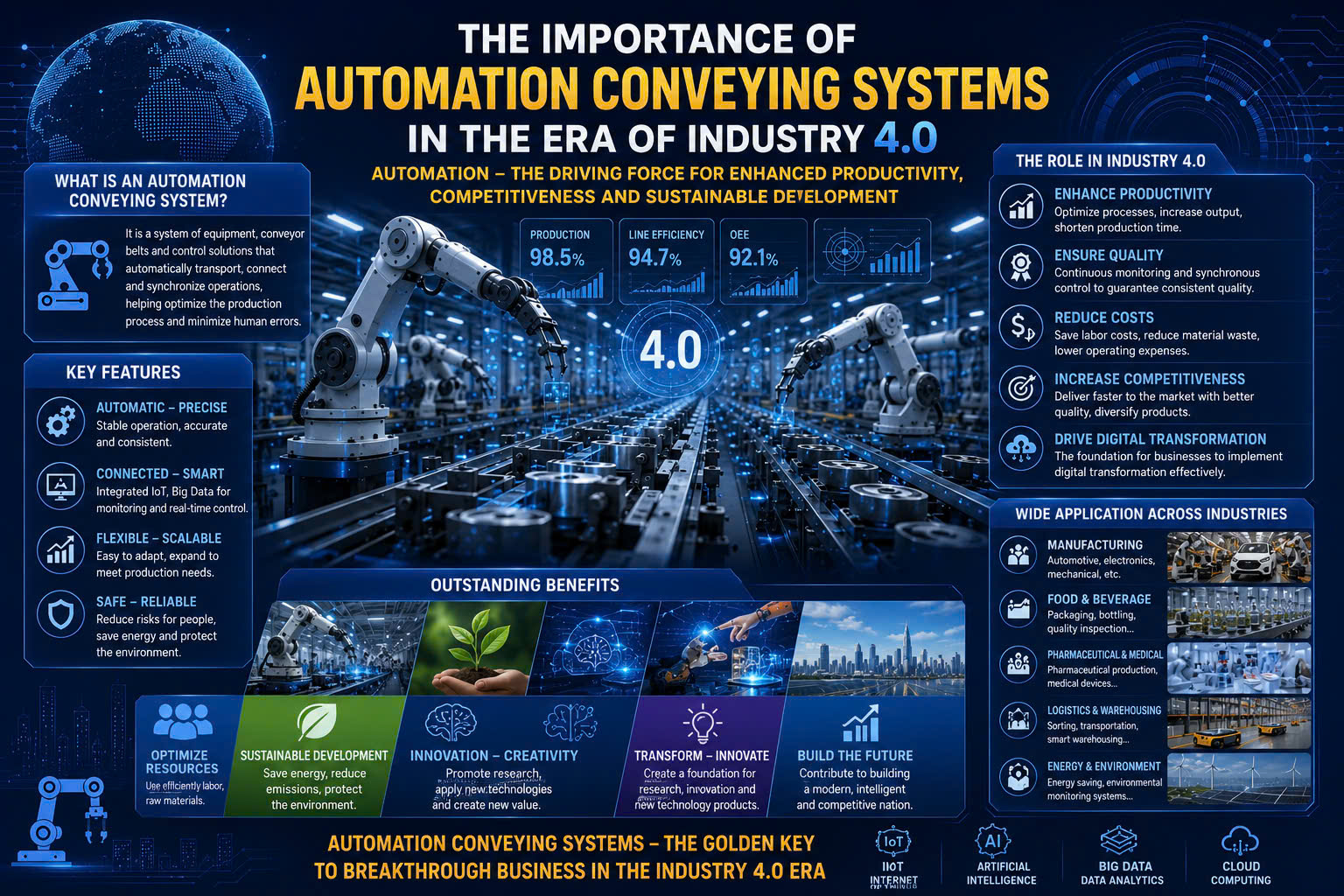
Semi-Automatic & Fully Automatic Laser Machines
Semi-Automatic & Fully Automatic Laser Machines
⚙️ Semi-Automatic Laser Machine
Operating Principle
Operators manually load workpieces (raw materials) into the machine. The laser system then automatically performs cutting or engraving processes. After completion, operators manually remove the finished products.
Advantages
- Lower initial investment cost.
- Flexible for processing various product designs and frequent model changes.
- Compact design and easy maintenance.
Disadvantages
- Production speed depends on operator handling efficiency.
- Requires continuous labor involvement for loading and unloading operations.
Best Applications
Suitable for small and medium-sized enterprises, advertising fabrication workshops, general mechanical processing, and businesses producing customized products with frequent design changes.
🏭 Fully Automatic Laser Machine
Operating Principle
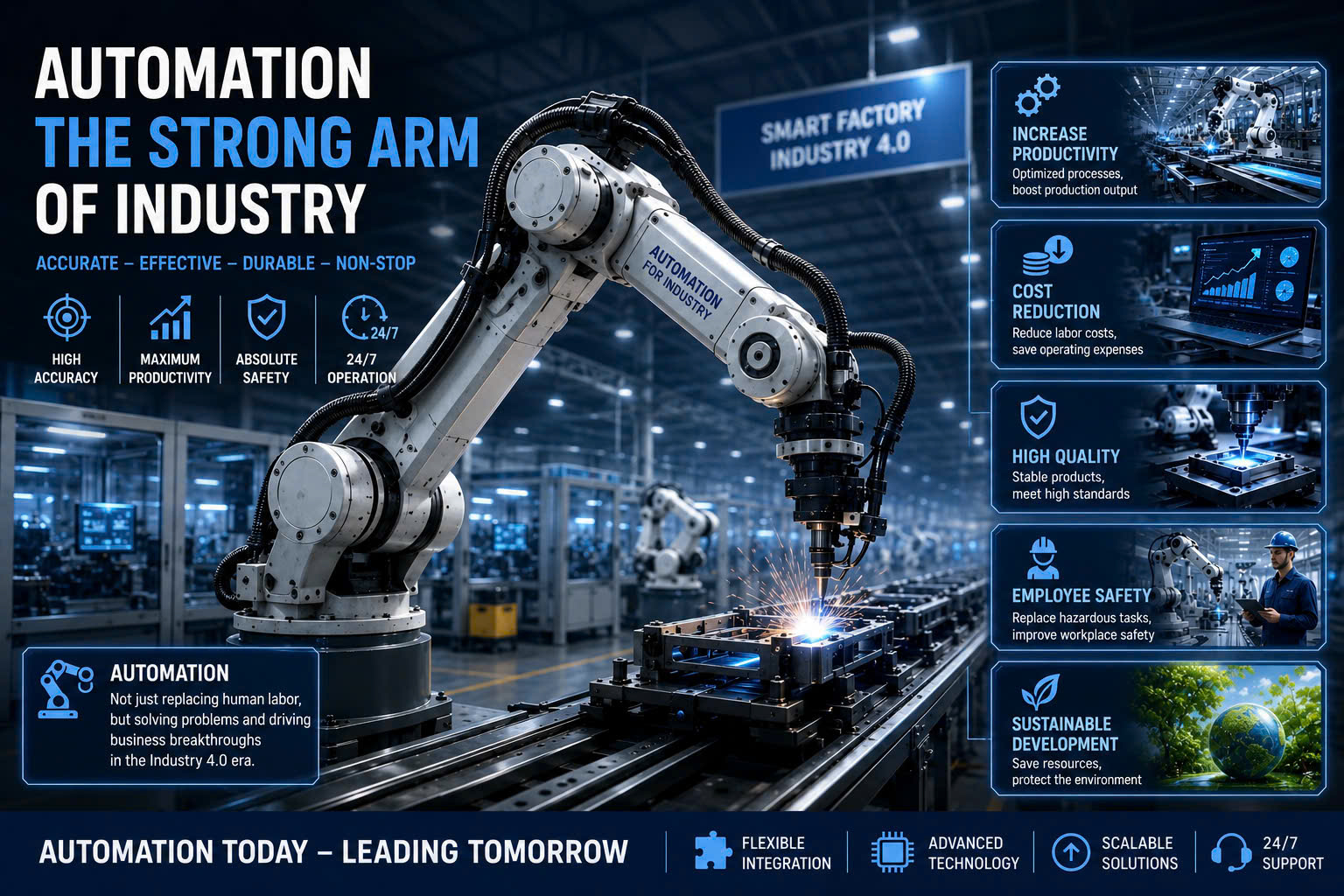
Integrated with industrial robotic arms or automatic feeding systems, the machine can automatically load materials, perform laser cutting/engraving, and transfer finished products to the next production stage.
Advantages
- Continuous 24/7 operation with minimal human supervision.
- Extremely high production capacity.
- Consistent precision and quality across thousands or millions of products.
Disadvantages
- Higher initial investment cost.
- Requires larger factory space and infrastructure.
- Initial setup and programming for new product models are more complex.
Best Applications
Ideal for electronics component manufacturing, automotive parts production, packaging industries, and high-volume mass production lines.
Automation Solution Selection
Choosing between semi-automatic and fully automatic laser machines depends on production volume, product variety, investment strategy, and long-term manufacturing objectives. For mass production environments, fully automated laser systems provide significant advantages in productivity, consistency, and operational efficiency.

